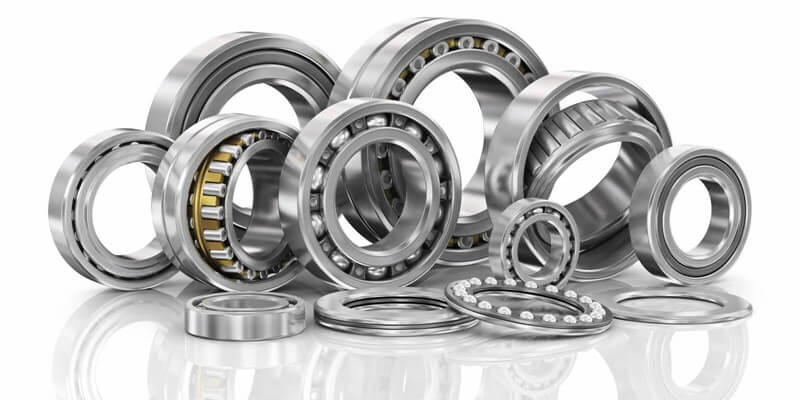
Bearings are critical components in machinery, enabling smooth and efficient motion by reducing friction between moving parts. They come in various types, each tailored to specific applications and operational conditions. In this blog, we’ll explore the types of bearings, categorize them into journal bearings and rolling element bearings, and delve into their importance and common applications.
Journal Bearings
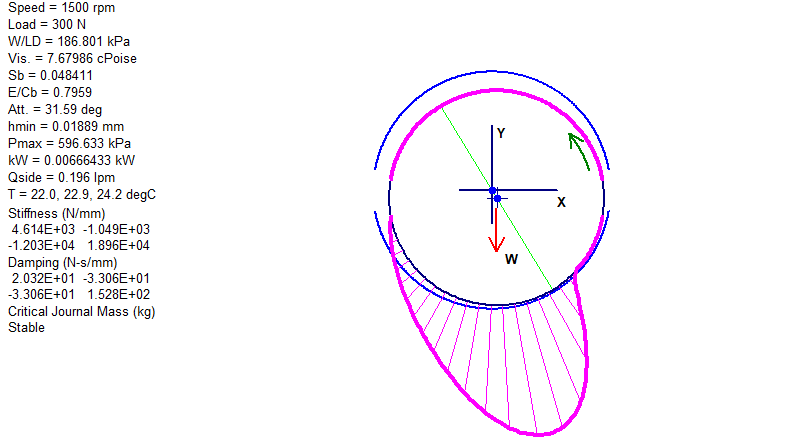
Journal bearings, also known as plain bearings, operate on the principle of sliding friction. They consist of a shaft (journal) that slides on a bearing surface, typically separated by a thin film of lubricant. Journal bearings are simple in construction, cost-effective, and suitable for applications requiring high load capacity and low noise.
Types of Journal Bearings
Sleeve Bearings
- A simple cylindrical bearing that supports the shaft, often made of materials like bronze, babbitt, or polymer.
- Applications: Electric motors, fans, pumps.
Hydrodynamic Bearings
- Utilize a film of lubricant to support the load, reducing metal-to-metal contact as the shaft rotates.
- Applications: Turbines, compressors, marine engines.
Hydrostatic Bearings
- Similar to hydrodynamic bearings but use an external pump to maintain the lubricant film under pressure.
- Applications: Precision machining tools, high-speed spindles.
Tilting Pad Bearings
- Comprise multiple pads that adjust their tilt to distribute the load evenly and maintain stability.
- Applications: Steam turbines, high-speed rotors.
Rolling Element Bearings
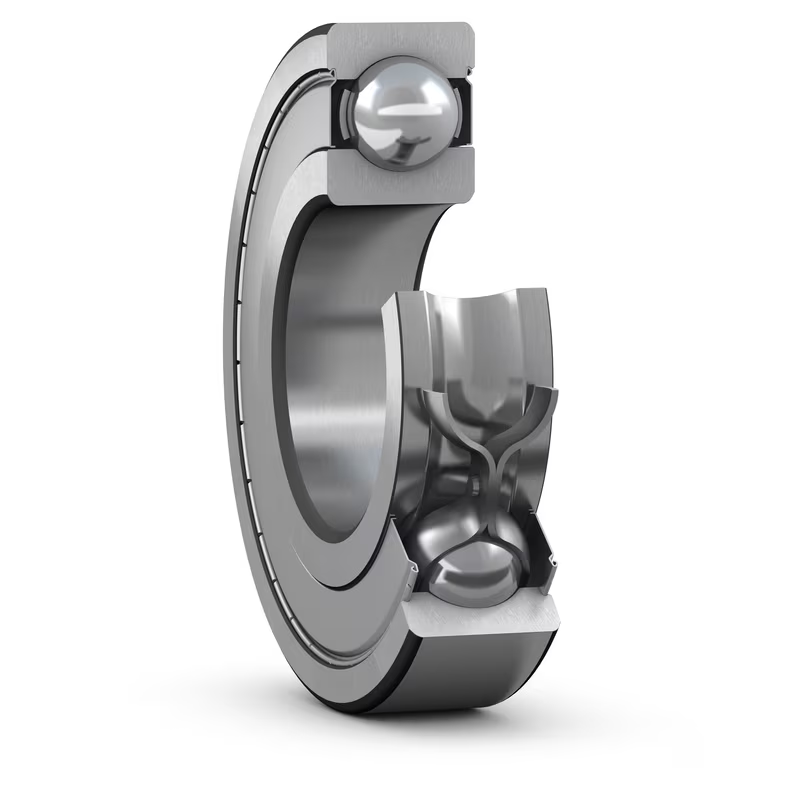
Rolling element bearings reduce friction using rolling elements, such as balls or rollers, housed between inner and outer rings. These bearings are highly efficient in supporting both radial and axial loads.
Types of Rolling Element Bearings
Ball Bearings
- Use spherical rolling elements to handle moderate radial and axial loads.
- Subtypes:
- Deep Groove Ball Bearings: Versatile and widely used.
- Angular Contact Ball Bearings: Support combined loads with high precision.
- Self-Aligning Ball Bearings: Adjust to misalignment automatically.
- Applications: Automobiles, electric motors, household appliances.
Roller Bearings
- Use cylindrical or tapered rollers to handle higher radial loads.
- Subtypes:
- Cylindrical Roller Bearings: High radial load capacity, used in heavy machinery.
- Tapered Roller Bearings: Support combined radial and axial loads.
- Spherical Roller Bearings: Handle misalignment and heavy loads.
- Applications: Gearboxes, conveyors, wind turbines.
Thrust Bearings
- Designed to support axial loads with minimal friction.
- Subtypes:
- Thrust Ball Bearings: For low axial loads.
- Thrust Roller Bearings: For high axial loads.
- Applications: Turntables, cranes, car transmissions.
Needle Bearings
- Use long, thin rollers for applications with space constraints and high radial loads.
- Applications: Automotive components, small motors.
Importance of Bearings
Bearings play a vital role in machinery by:
Reducing Friction: Minimize energy loss and heat generation.
Enhancing Efficiency: Enable smoother and faster motion.
Increasing Lifespan: Reduce wear and tear on rotating parts.
Improving Reliability: Ensure consistent performance under varying loads.
Applications of Bearings
Bearings are indispensable in a vast array of industries:
Automotive Industry
- Bearings are critical in engines, gearboxes, and wheels for smooth motion and high-speed operation.
Aerospace Industry
- High-precision bearings support turbines, navigation systems, and control surfaces.
Manufacturing and Machinery
- Bearings in CNC machines, conveyors, and robotic arms ensure precision and durability.
Energy Sector
- Bearings in wind turbines, hydroelectric plants, and gas turbines handle large loads and harsh conditions.
Medical Equipment
- High-performance bearings are used in MRI machines, surgical robots, and diagnostic tools.
Choosing the Right Bearing
Selecting the right bearing depends on factors such as:
Load Type and Magnitude: Radial, axial, or combined loads.
Speed Requirements: High-speed applications may need precision bearings.
Operating Environment: Corrosive, high-temperature, or contaminated environments demand specialized materials and designs.
Alignment Considerations: Self-aligning bearings may be needed for misaligned shafts.
Cost and Maintenance: Balance initial costs with long-term maintenance needs.
Conclusion
Bearings are the unsung heroes of machinery, ensuring smooth operation and longevity in countless applications. Understanding the types of bearings, their importance, and applications can help engineers and designers make informed decisions for their specific needs. Whether it’s the simplicity of journal bearings or the versatility of rolling element bearings, the right choice can elevate system performance to new heights.